


Vital role of Vitamins to maintain body structure!!

Vitamins and minerals are essential nutrients because they perform hundreds of roles in the body. There is a fine line between getting enough of these nutrients (which is healthy) and getting too much (which can end up harming you). Eating a healthy diet remains the best way to get sufficient amounts of the vitamins and minerals you need.
Essential nutrients for your body
Every day, your body produces skin, muscle, and bone. It churns out rich red blood that carries nutrients and oxygen to remote outposts, and it sends nerve signals skipping along thousands of miles of brain and body pathways. It also formulates chemical messengers that shuttle from one organ to another, issuing the instructions that help sustain your life.
But to do all this, your body requires some raw materials. These include at least 30 vitamins, minerals, and dietary components that your body needs but cannot manufacture on its own in sufficient amounts.
Vitamins and minerals are considered essential nutrients—because acting in concert, they perform hundreds of roles in the body. They help shore up bones, heal wounds, and bolster your immune system. They also convert food into energy, and repair cellular damage.
But trying to keep track of what all these vitamins and minerals do can be confusing. Read enough articles on the topic, and your eyes may swim with the alphabet-soup references to these nutrients, which are known mainly be their initials (such as vitamins A, B, C, D, E, and K—to name just a few).
In this article, you’ll gain a better understanding of what these vitamins and minerals actually do in the body and why you want to make sure you’re getting enough of them.
Micronutrients with a big role in the body
Vitamins and minerals are often called micronutrients because your body needs only tiny amounts of them. Yet failing to get even those small quantities virtually guarantees disease. Here are a few examples of diseases that can result from vitamin deficiencies:
- Scurvy. Old-time sailors learned that living for months without fresh fruits or vegetables—the main sources of vitamin C—causes the bleeding gums and listlessness of scurvy.
- Blindness. In some developing countries, people still become blind from vitamin A deficiency.
- Rickets. A deficiency in vitamin D can cause rickets, a condition marked by soft, weak bones that can lead to skeletal deformities such as bowed legs. Partly to combat rickets, the U.S. has fortified milk with vitamin D since the 1930s.
Just as a lack of key micronutrients can cause substantial harm to your body, getting sufficient quantities can provide a substantial benefit. Some examples of these benefits:
- Strong bones. A combination of calcium, vitamin D, vitamin K, magnesium, and phosphorus protects your bones against fractures.
- Prevents birth defects. Taking folic acid supplements early in pregnancy helps prevent brain and spinal birth defects in offspring.
- Healthy teeth. The mineral fluoride not only helps bone formation but also keeps dental cavities from starting or worsening.
The difference between vitamins and minerals
Although they are all considered micronutrients, vitamins and minerals differ in basic ways. Vitamins are organic and can be broken down by heat, air, or acid. Minerals are inorganic and hold on to their chemical structure.
So why does this matter? It means the minerals in soil and water easily find their way into your body through the plants, fish, animals, and fluids you consume. But it’s tougher to shuttle vitamins from food and other sources into your body because cooking, storage, and simple exposure to air can inactivate these more fragile compounds.
Interacting—in good ways and bad
Many micronutrients interact. Vitamin D enables your body to pluck calcium from food sources passing through your digestive tract rather than harvesting it from your bones. Vitamin C helps you absorb iron.
The interplay of micronutrients isn’t always cooperative, however. For example, vitamin C blocks your body’s ability to assimilate the essential mineral copper. And even a minor overload of the mineral manganese can worsen iron deficiency.
TYPES OF VITAMINS
1. VITAMIN A
GOOD FOR: Healthy eyes and general growth and development, including healthy teeth and skin.
NATURAL SOURCE: Carrots and other orange foods including sweet potato and cantaloupe melons – all of which get their hue from the carotene pigment.
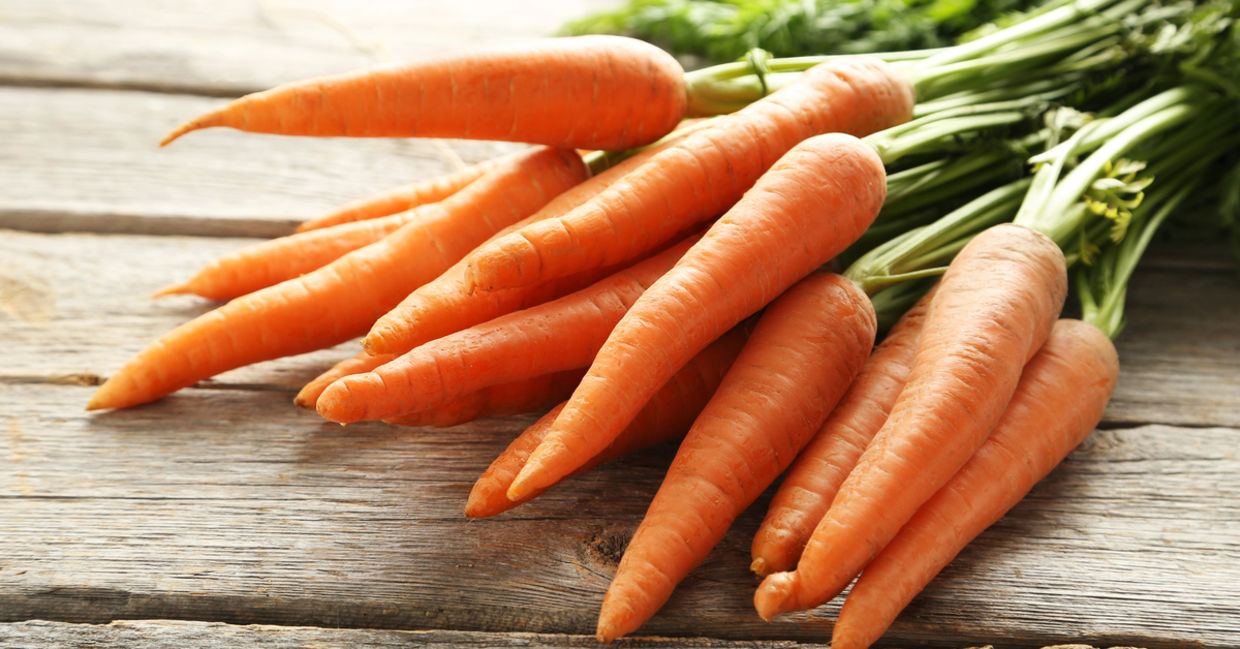
(5 second Studio / Shutterstock.com)
2. B VITAMINS
GOOD FOR: Energy production, immune function and iron absorption.
NATURAL SOURCE: This crucial group of nutrients can be found in whole unprocessed foods, specifically whole grains, potatoes, bananas, lentils, chili peppers, beans, yeast and molasses.
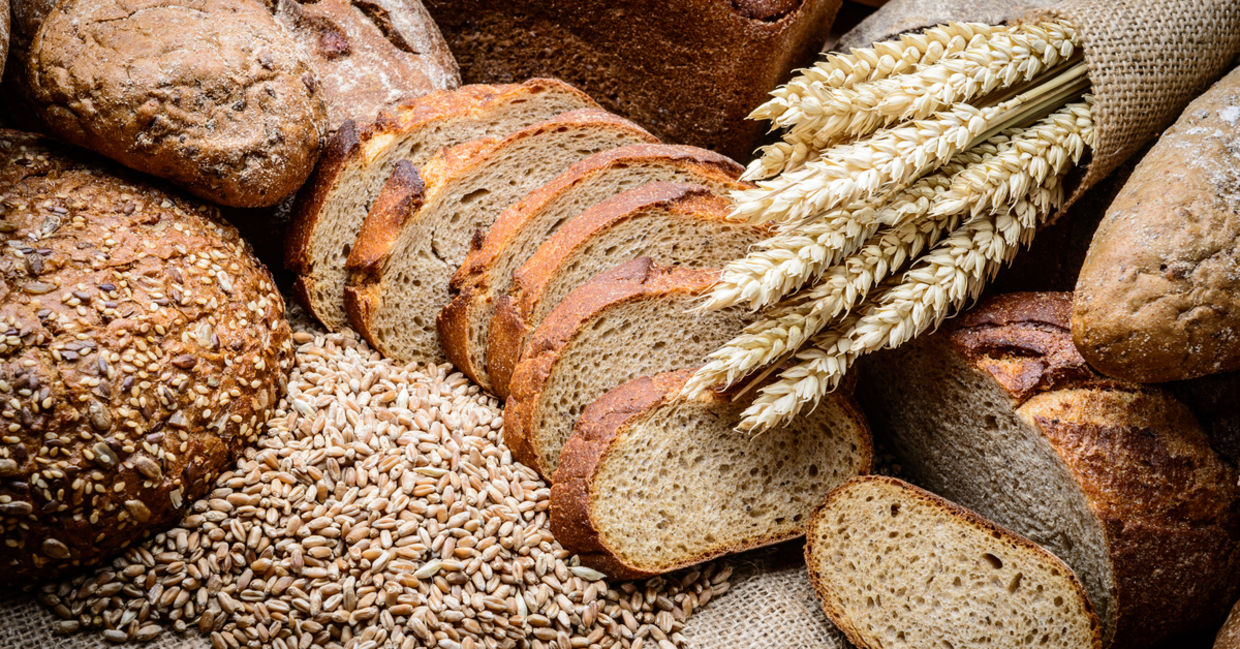
(Scropp / Shutterstock.com)
3. VITAMIN C
GOOD FOR: Strengthening blood vessels and giving skin its elasticity, anti-oxidant function and iron absorption.
NATURAL SOURCE: Everyone knows this one – oranges! But they're not the only source – other fruits and veggies packed with Vitamin C include guava, red and green peppers, kiwi, grapefruits, strawberries, Brussels sprouts and cantaloupe.
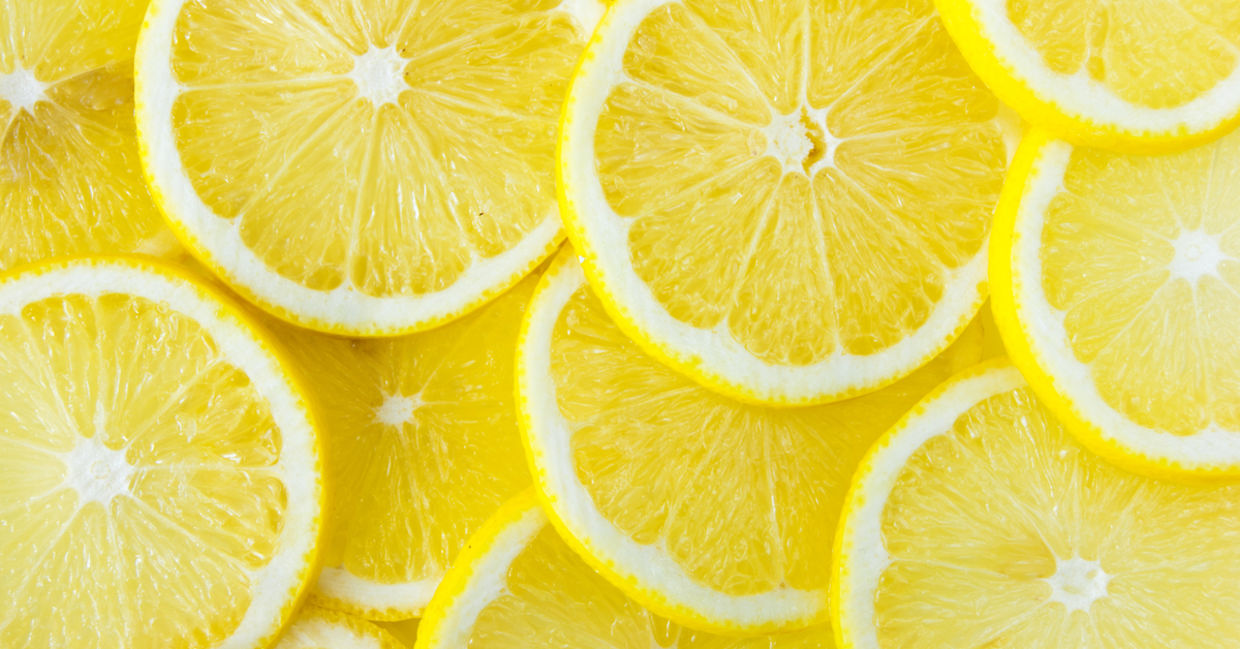
(Ollinka / Shutterstock.com)
4. VITAMIN D
GOOD FOR: Strong healthy bones.
NATURAL SOURCE: Apart from spending a few minutes out in the sun, which stimulates Vitamin D production, you can get this nutritional must from eggs, fish and mushrooms.
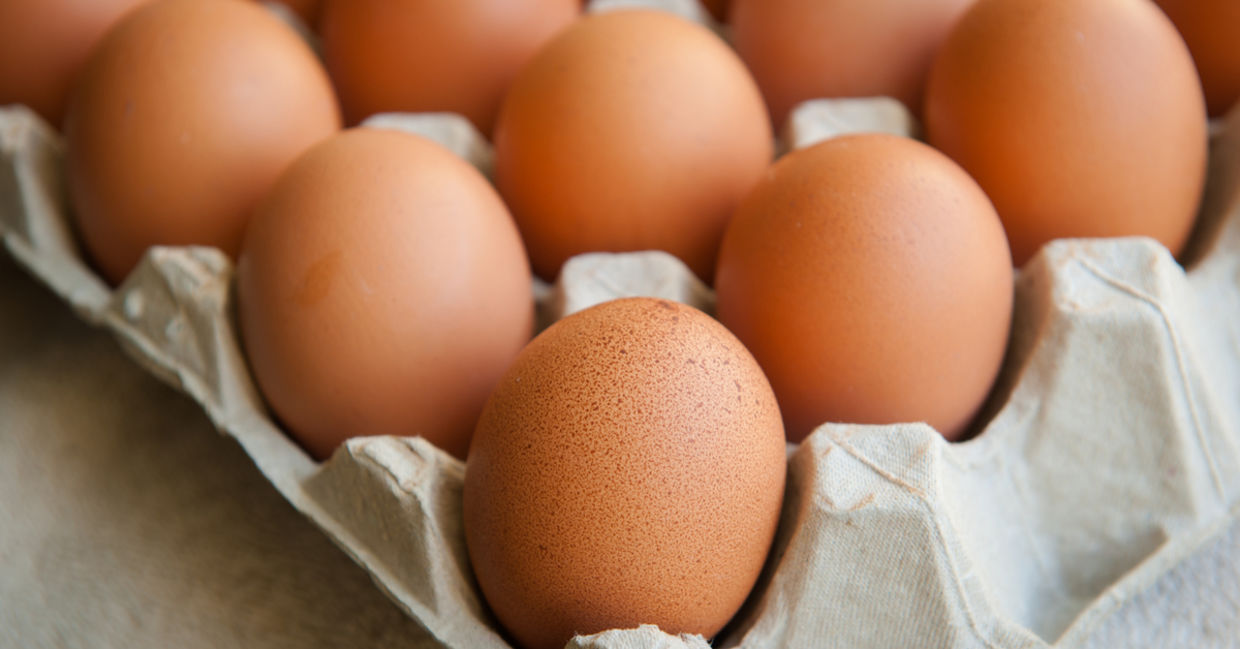
- (siambizkit / Shutterstock.com)
5. VITAMIN E
GOOD FOR: Blood circulation, and protection from free radicals.
NATURAL SOURCE: Our favorite Vitamin E-rich food is the mighty almond. You can also fill up on other nuts, sunflower seeds and tomatoes to reap the benefits.
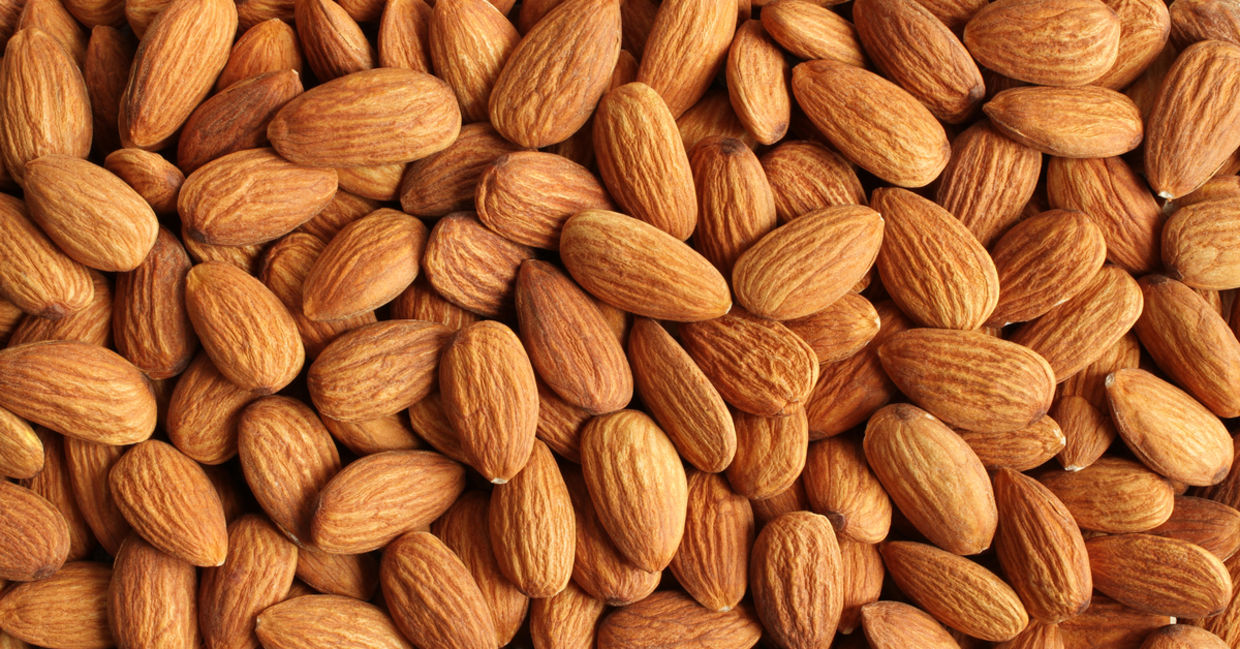
(Owl_photographer / Shutterstock.com)
6. VITAMIN K
GOOD FOR: Blood coagulation – that is, the process by which your blood clots.
NATURAL SOURCE: Leafy greens are the best natural sources of Vitamin K – so make sure you're eating lots of kale, spinach, Brussels sprouts and broccoli.
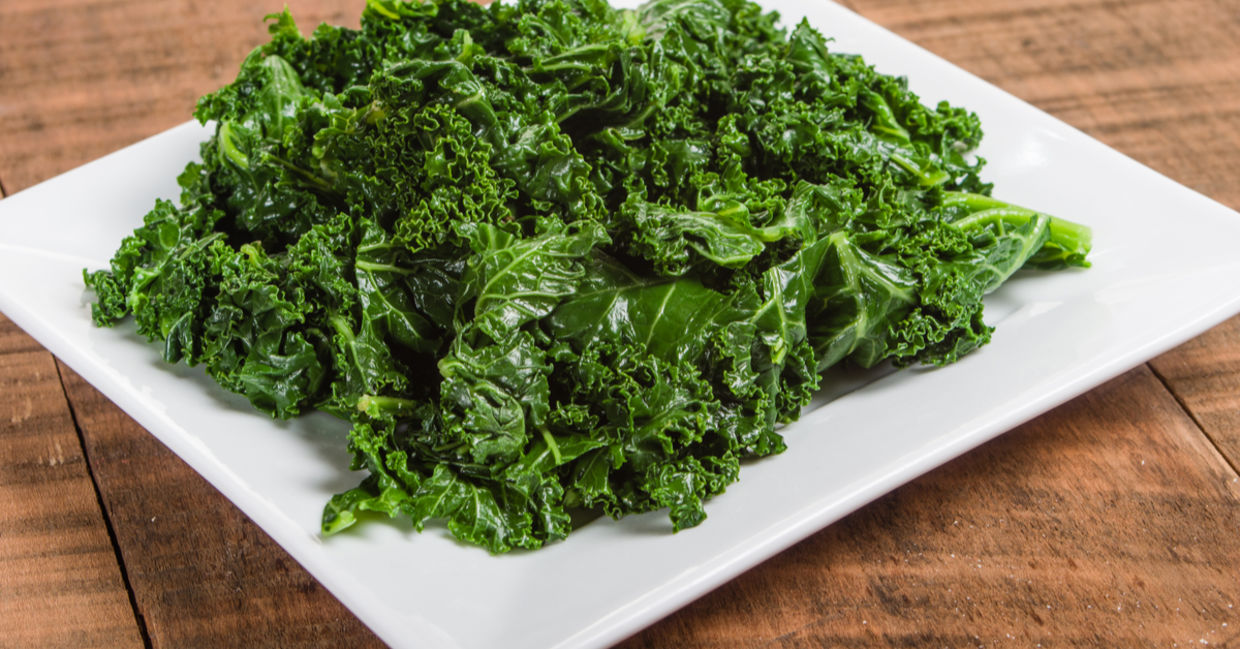
(Zigzag Mounntain Art / Shutterstock.com)
7. FOLIC ACID
GOOD FOR: Cell renewal and preventing birth defects in pregnancy.
NATURAL SOURCE: There are plenty of scrumptious natural sources of folic acid, including dark leafy greens, asparagus, broccoli, citrus fruits, beans, peas, lentils, seeds, nuts, cauliflower, beets and corn.

(ShadeDesign / Shutterstock.com)
8. CALCIUM
GOOD FOR: Healthy teeth and bones.
NATURAL SOURCE: This mineral is another one that most of us already know - the best sources are dairy products like yogurt, cheese and milk, along with tofu and black molasses.

(JeniFoto / Shutterstock.com)
9. IRON
GOOD FOR: Building muscles naturally and maintaining healthy blood.
NATURAL SOURCE: You might be surprised to know that clams take the top spot for iron content, followed by oysters and organ meats like liver. For the vegetarians among us, soybeans, cereal, pumpkin seeds, beans, lentils and spinach are great sources of iron.

(Ken Weinrich / Shutterstock.com)
10. ZINC
GOOD FOR: Immunity, growth and fertility.
NATURAL SOURCE: Seafoods like oysters are also zinc-rich, along with spinach, cashews, beans and – wait for it – dark chocolate.

(iravgustin / Shutterstock.com)
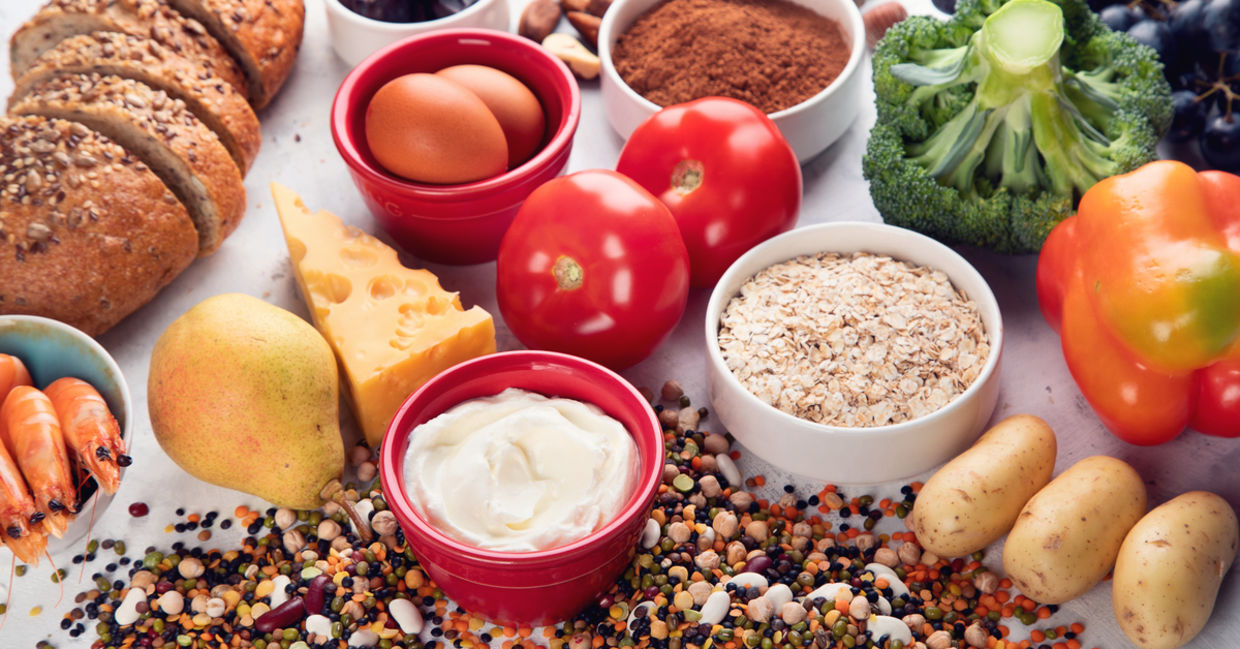
11. CHROMIUM
GOOD FOR: Glucose function – making sure every cell in your body gets energy as and when needed.
NATURAL SOURCE: As long as your diet contains servings of whole grains, fresh vegetables and herbs, you should be getting enough chromium.

0 Comments: